
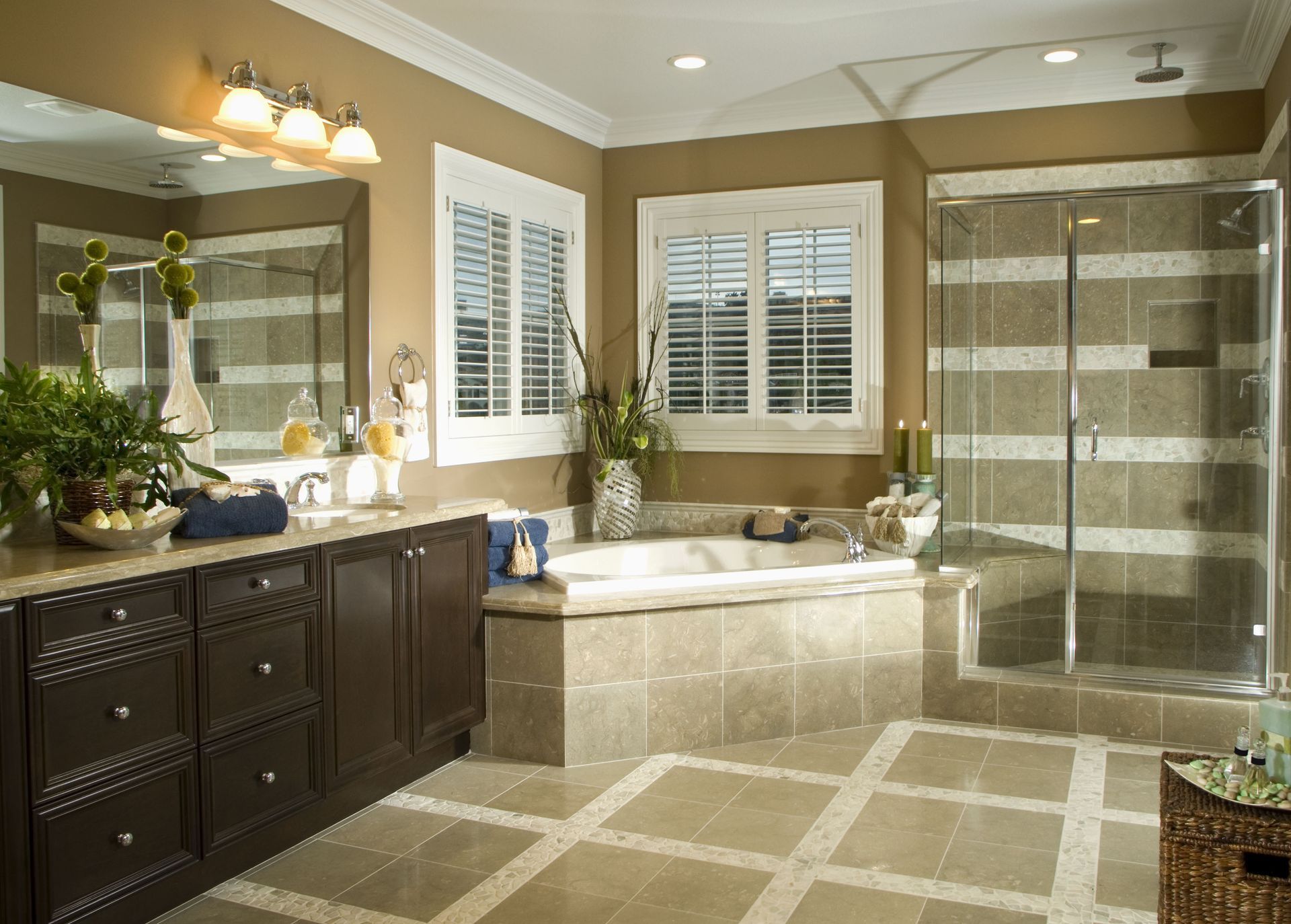

Home remodeling can transform your living space, improve functionality, and increase property value. However, even carefully planned renovations can involve unexpected expenses. Hidden damage, material price changes, and necessary design adjustments can affect the final cost of a project. Preparing for these possibilities is essential to keeping your renovation financially manageable. At Mobility Remodelers, we understand that homeowners want beautiful, functional improvements without unnecessary financial surprises. Working with experienced bathroom remodeling contractors can help you establish realistic expectations, identify potential challenges, and make informed decisions throughout your renovation. Understanding the Costs of Home Remodeling Identifying Common Remodeling Expenses Every remodeling project involves several expenses that contribute to the overall budget. Materials, labor, permits, design considerations, and specialized installations all influence the final price. Bathroom renovations may also require plumbing adjustments, electrical improvements, and accessibility modifications. Understanding these expenses before construction begins helps homeowners establish realistic financial expectations. At Mobility Remodelers, we emphasize thoughtful planning to help clients understand the factors that may affect their remodeling investment. Comparing Initial Estimates and Final Costs An initial remodeling estimate provides a starting point, but the final cost may change as work progresses. Hidden plumbing problems, outdated wiring, or structural concerns may become apparent only after existing fixtures and materials are removed. Experienced bathroom remodeling contractors evaluate project requirements carefully and communicate potential complications before construction begins. Although no estimate can anticipate every circumstance, professional assessments help reduce uncertainty and establish a clearer financial foundation. Establishing a Remodeling Contingency Budget A contingency budget is money reserved specifically for unexpected expenses. Rather than allocating every dollar to planned improvements, homeowners maintain a financial cushion for complications that may arise during construction. According to This Old House, homeowners should reserve about 20% of their total remodeling budget for surprise expenses. For example, someone with a $20,000 total budget could reserve approximately $4,000 for unforeseen costs, leaving $16,000 for planned work. This approach provides greater flexibility when unexpected repairs or adjustments become necessary. Recognizing Common Unexpected Remodeling Expenses Discovering Hidden Water Damage Water damage is a particularly important concern during bathroom renovations. Leaking pipes, deteriorated seals, and moisture trapped behind walls can cause damage that remains unnoticed until demolition begins. These problems may require additional repairs before new fixtures, flooring, or wall materials can be installed. Addressing underlying moisture issues is essential for protecting the finished renovation and preventing recurring problems. Professional bathroom remodeling contractors can assess discovered damage and recommend appropriate solutions before continuing construction. Addressing Plumbing and Electrical Problems Older bathrooms may contain plumbing and electrical systems that no longer meet current requirements or accommodate modern fixtures. Replacing a bathtub, relocating a shower, or installing updated lighting may reveal additional work that was not included in the original estimate. These improvements can increase project costs, particularly when extensive modifications are necessary. However, properly addressing outdated systems supports safety, reliability, and long-term functionality. At Mobility Remodelers, we believe homeowners should understand the importance of these underlying improvements when evaluating their renovation budgets. Managing Permit and Inspection Requirements Depending on the project scope and local regulations, remodeling work may require permits and inspections. Plumbing modifications, electrical changes, and structural alterations can introduce additional administrative expenses. Permit requirements vary by location, making it important to account for applicable fees during initial planning. Delays involving approvals or inspections may also affect construction schedules. Working with knowledgeable professionals helps homeowners better understand these requirements and prepare for potential scheduling adjustments. Accommodating Material and Labor Changes Construction material prices and availability can fluctuate between planning and installation. Specialty fixtures, custom cabinetry, and certain accessibility products may involve longer ordering periods or changing costs. Labor expenses may also increase when unexpected repairs require additional work. Establishing a contingency reserve helps homeowners respond to these circumstances without immediately compromising important improvements. Understanding the Financial Risks of Poor Budgeting Preventing Unnecessary Budget Overruns A remodeling project without adequate financial flexibility can become difficult to manage when unexpected expenses arise. Even relatively small additional costs may accumulate and push spending beyond the original budget. Establishing clear priorities and maintaining a contingency reserve can reduce the likelihood of disruptive financial decisions. Experienced bathroom remodeling contractors can also help homeowners distinguish essential improvements from optional upgrades, supporting more effective budget management. Protecting Household Financial Stability Unexpected remodeling expenses can affect household savings, monthly obligations, and future financial plans. Without a designated reserve, homeowners may feel pressured to use emergency savings or pursue additional financing. Setting realistic spending limits before construction begins helps protect other financial responsibilities. A well-structured remodeling budget should reflect both renovation goals and the household's overall financial circumstances. Maintaining this balance allows homeowners to pursue improvements without creating unnecessary financial pressure. Avoiding Compromises in Remodeling Quality When renovation costs exceed expectations, homeowners may consider reducing expenses by choosing lower-quality materials or postponing important repairs. Unfortunately, these decisions can affect durability, safety, and long-term satisfaction. A contingency budget provides flexibility to address necessary improvements without sacrificing essential construction standards. For bathrooms, quality materials and proper installation are especially important because fixtures and surfaces experience frequent moisture exposure and daily use. Planning a More Predictable Remodeling Project Defining Your Remodeling Priorities Before beginning a renovation, homeowners should identify which improvements matter most. Some prioritize updated finishes and storage, while others need accessibility features, improved bathing arrangements, or safer movement throughout the bathroom. Establishing these priorities helps guide material selections and spending decisions. At Mobility Remodelers, we recognize that every household has different needs. Our approach emphasizes practical improvements that support comfort, convenience, and functionality while respecting financial considerations. Selecting Experienced Remodeling Professionals Choosing qualified professionals is one of the most important decisions in a renovation. Contractors should communicate clearly about project scope, expected costs, scheduling, and potential complications. When comparing bathroom remodeling contractors, homeowners should consider relevant experience, communication practices, and the ability to address their specific remodeling goals. Professional guidance is particularly valuable when renovations involve accessibility improvements or modifications to existing plumbing and structural components. Reviewing Estimates and Project Details A detailed estimate helps homeowners understand what their remodeling investment includes. Labor, materials, installation requirements, and anticipated additional expenses should be clearly discussed before work begins. It is also important to understand how unexpected changes will be handled. Written change orders and documented approvals can help prevent misunderstandings about additional costs. Transparent communication supports a more organized remodeling experience and gives homeowners greater confidence in their financial decisions. Monitoring Costs Throughout Construction Even with a carefully established budget, remodeling expenses should be reviewed as the project progresses. Regular communication about completed work, material selections, and necessary adjustments helps homeowners remain informed. When unexpected problems arise, discussing available solutions before approving additional work can prevent avoidable financial strain. A contingency reserve should be used for legitimate project needs rather than unnecessary upgrades. Preserving unused funds until construction is complete provides additional financial protection. Creating a More Comfortable Remodeling Experience Reducing Stress Through Financial Preparation Remodeling can temporarily disrupt everyday routines, particularly when bathrooms are unavailable during construction. Financial uncertainty can make these disruptions more stressful. Planning for potential expenses provides reassurance that unexpected complications can be addressed without immediately disrupting household finances. Clear expectations, professional communication, and thoughtful budgeting contribute to a more manageable renovation experience. Supporting Long-Term Home Value A successful remodeling project should provide lasting benefits beyond its immediate appearance. Durable materials, functional layouts, and accessibility improvements can make a home more comfortable and practical for years to come. Working with experienced bathroom remodeling contractors helps homeowners evaluate improvements based on their current needs and long-term goals. Investing in proper installation and necessary repairs can also reduce the likelihood of preventable problems after the renovation is finished. Moving Forward With Confidence Unexpected expenses are a possibility in nearly every remodeling project, but they do not have to undermine your renovation plans. Establishing a realistic budget, reserving funds for unforeseen complications, and selecting qualified professionals can make a meaningful difference. At Mobility Remodelers, we believe successful renovations begin with careful planning and clear communication. Whether you want to improve bathroom accessibility, update outdated fixtures, or create a more comfortable space, our team is ready to discuss your goals. Contact Mobility Remodelers to learn how our bathroom remodeling contractors can help you plan a renovation that balances functionality, quality, and financial preparedness.

Create an accessible, safe culinary space. Build an inclusive kitchen renovation plan with ergonomic counters, barrier-free layouts, and universal design.
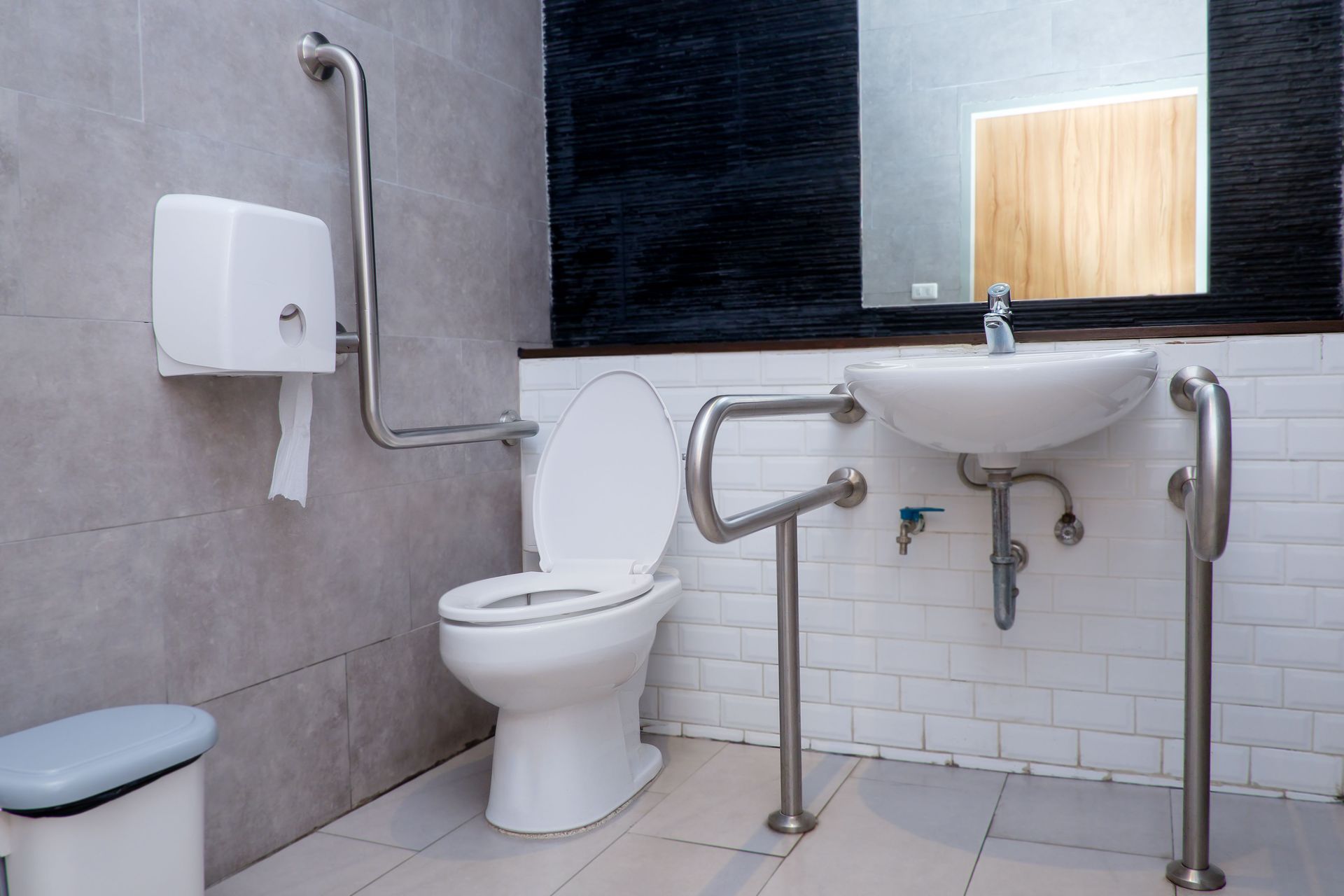
If your parent or family elder would like to stay at their home, here are some modifications to consider so aging-in-place is viable for them.