November 2, 2026
The desire to remain in familiar surroundings as the years pass is a shared priority for many older adults across the country. A family home holds decades of memories, established routines, and deep connections to neighbors and local communities. However, houses designed for young, fully mobile occupants often present unanticipated hazards as physical strength, balance, and agility naturally change over time. Stepping over a high bathtub rim, reaching for everyday items stored in deep cupboards, or maneuvering around cramped fixtures can slowly become challenging or even hazardous tasks.
Implementing thoughtful residential updates allows individuals to adapt their living environments to meet evolving physical requirements. Embracing purposeful residential modifications makes daily routines significantly more manageable, helping individuals protect their self-reliance and peace of mind. By focusing on critical areas such as bathing spaces and everyday storage, homeowners can cultivate an environment that fosters independence and safety. Exploring practical solutions for aging-in-place provides older adults with viable pathways to remain securely and comfortably in their cherished homes for many years to come.
Evaluating Key Areas for Residential Safety
Creating a supportive home requires identifying the rooms where daily activities present the greatest physical demands. Spaces that involve water, slick flooring, or frequent bending and stretching often represent the most pressing hazards. Evaluating how each room functions helps determine where targeted adjustments deliver the most substantial long-term benefits.
Identifying Critical Household Vulnerabilities
Physical changes often happen gradually, meaning potential household hazards might go unnoticed until balance wavers or joint stiffness sets in. Bathrooms frequently pose the highest risk of slips and falls due to wet surfaces, narrow layouts, and the need to maneuver into enclosed spaces. Kitchens and wash areas also present subtle obstacles, particularly when supplies are placed out of comfortable reach or when cabinet doors swing open into walking paths. Recognizing these specific vulnerabilities allows homeowners to address environmental challenges before an injury occurs, ensuring that everyday life remains comfortable and predictable.
Prioritizing High-Impact Renovation Goals
A successful residential plan begins by focusing on updates that provide immediate relief while supporting future physical needs. Rather than attempting to overhaul an entire structure simultaneously, focusing resources on primary living zones yields immediate functional improvements. Bathrooms and food preparation spaces are utilized multiple times every single day, making them prime candidates for functional updates. Establishing clear priorities ensures that renovations address immediate mobility needs, providing solid foundations for aging-in-place without unnecessary disruption to daily routines.
Enhancing Safety in the Bathroom
Bathrooms demand particular attention during any accessibility planning process because wet surfaces significantly increase the risk of accidental slips. Transforming standard fixtures into supportive, accessible components dramatically reduces physical strain while preserving personal privacy.
Replacing Traditional Tubs with Walk-In Showers
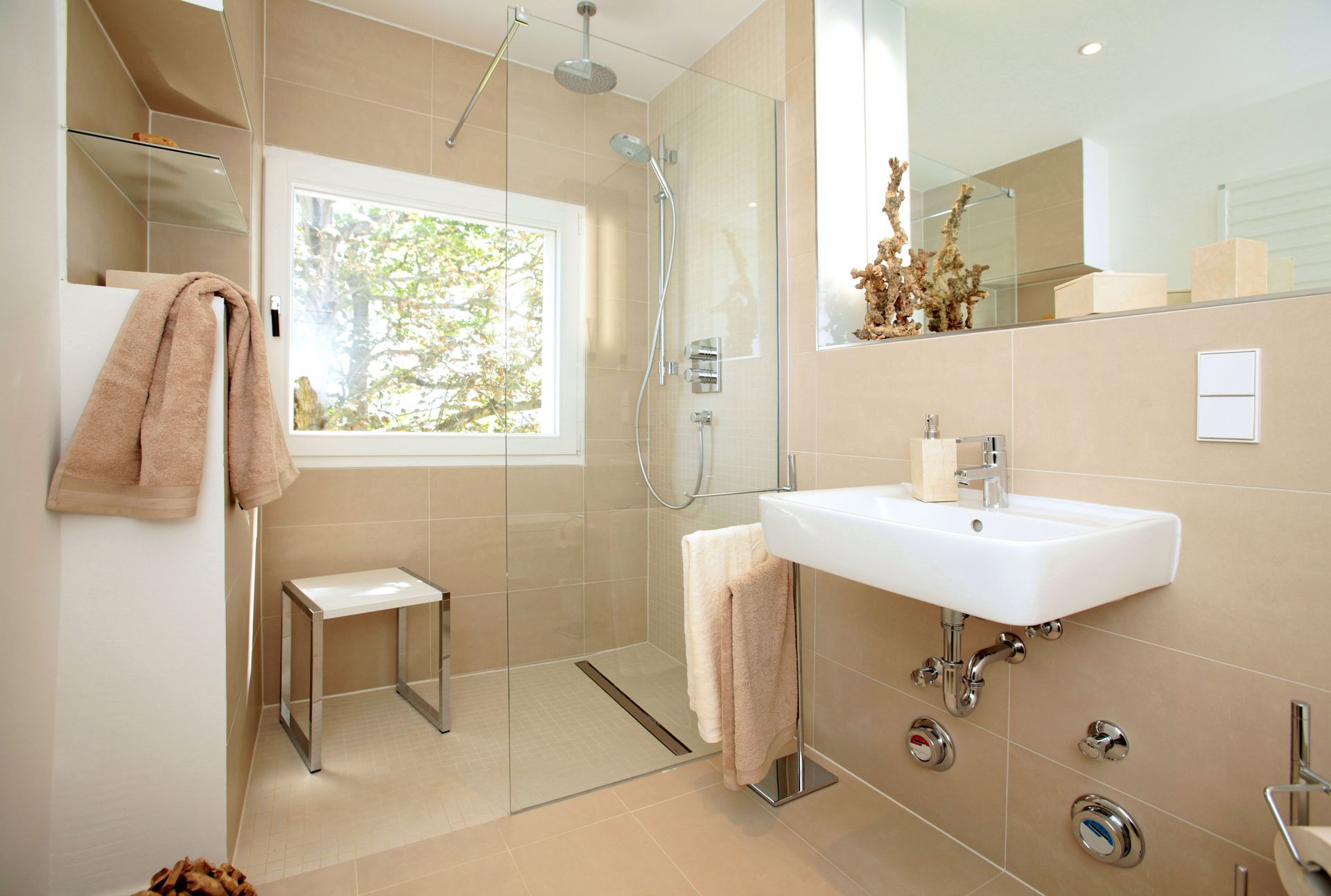
Stepping over the high ledge of a standard bathtub requires significant balance, hip flexibility, and lower-body strength. Over time, that routine step can become an intimidating hurdle that turns daily hygiene into a stressful endeavor. Converting standard enclosures into low-threshold or barrier-free walk-in showers removes the tall barrier entirely, allowing individuals to walk directly into the bathing area with ease. These modern configurations provide generous room for maneuverability, accommodate shower seating if needed, and incorporate slip-resistant floor pans that help prevent accidental falls during routine use.
Installing Accessible Walk-In Bathtubs
For individuals who find therapeutic comfort in soaking rather than standing, traditional tub designs often create substantial safety concerns. Walk-in bathtubs resolve this challenge by featuring an integrated watertight door with a very low entry threshold, eliminating the need to climb over a tall porcelain edge. Once inside, bathers sit comfortably on an elevated, chair-height contoured seat rather than lowering themselves all the way down to floor level. With built-in grab bars, quick-draining systems, and non-slip surfaces, these dedicated bathing fixtures allow individuals to enjoy soothing water therapy safely.
Adding Sturdy Grab Bars and Wall Supports
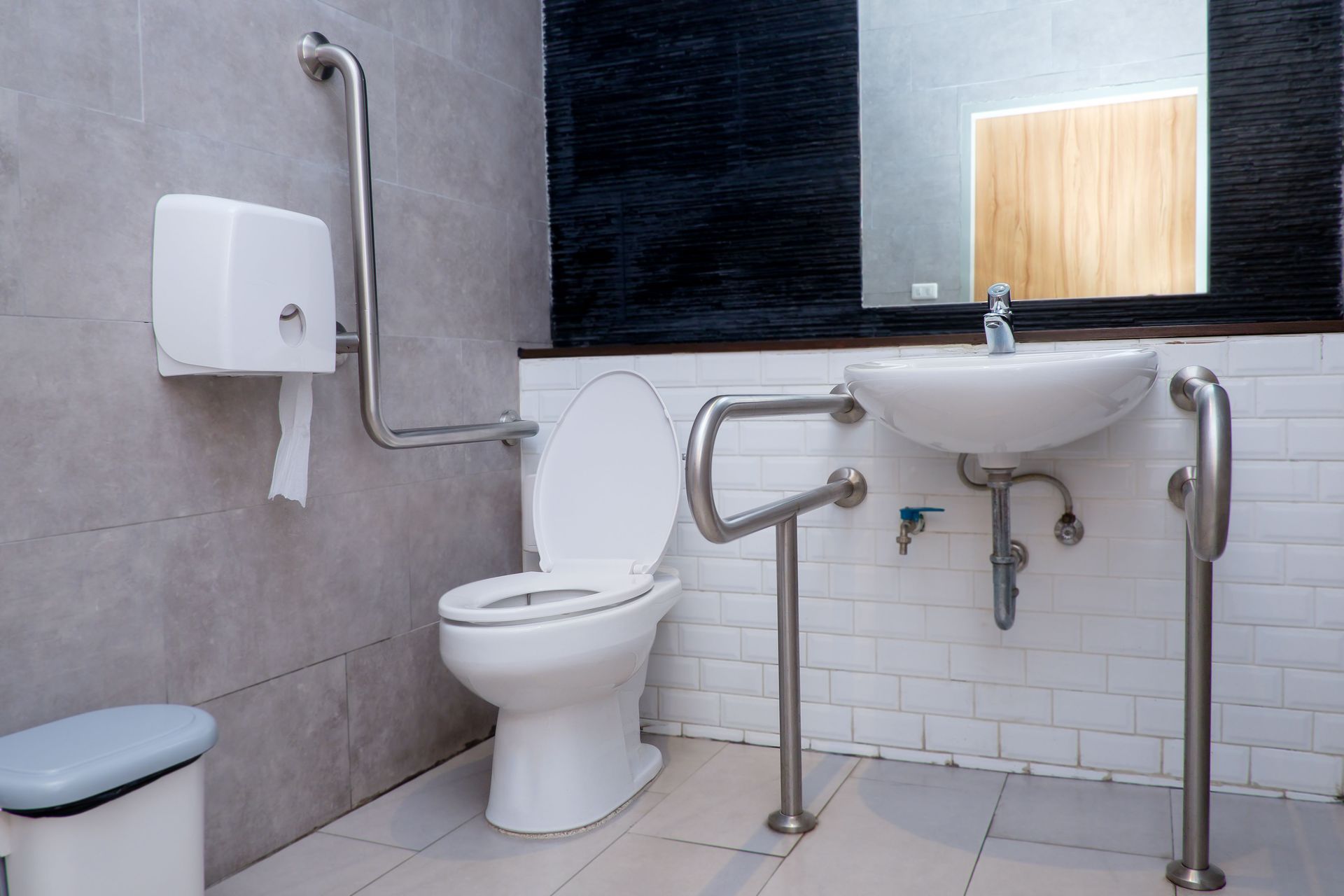
Towel racks, shower curtain rods, and glass doors were never designed to bear human weight, yet individuals frequently reach for them when steadying their balance. Securing commercial-grade grab bars into wall studs provides firm, dependable anchoring wherever extra stability is required. Placing these supports alongside shower entryways, inside wet enclosures, and adjacent to toilets offers reliable balance points during transitions. High-quality grab bars seamlessly blend into modern bathroom aesthetics, providing vital stability without compromising the warm ambiance of the home, which remains essential for aging-in-place.
Upgrading Bathroom Vanities and Fixtures
Standard bathroom vanities often present physical barriers, featuring sharp corners, low countertops that cause back fatigue, and recessed plumbing that prevents seated access. Installing updated vanities with smooth, accessible lever faucets eliminates the painful twisting motions required by older knob handles. Adjusting vanity counter heights reduces the need to bend forward while brushing teeth or washing hands, minimizing lower-back strain. Furthermore, integrating surface materials treated with antimicrobial protection helps inhibit the growth of mold, mildew, and bacteria, making regular cleaning far easier for individuals who may experience reduced stamina as part of their aging-in-place lifestyle.
Optimizing Kitchen and Storage Spaces
Beyond bathing facilities, daily nutrition and meal preparation require functional, accessible spaces. Kitchens demand significant physical exertion, including standing for extended periods, carrying heavy cookware, and reaching into low or high storage areas. Thoughtful storage updates alleviate these daily physical pressures.
Modernizing Cabinets Through Professional Refacing
Aging wood, sticking drawer runners, and heavy cabinet doors can make accessing basic cooking supplies physically exhausting. Cabinet refacing provides an exceptional way to completely transform the functionality and appearance of kitchen cabinetry without undergoing full room demolition. By preserving the existing cabinet frameworks while installing brand-new, smooth-gliding drawer boxes, modern hardware, and easy-to-open doors, homeowners revitalize their storage spaces. Incorporating modern pull-out shelving, full-extension slides, and soft-close mechanisms means pots, pans, and pantry staples glide directly out to the user, completely eliminating painful kneeling or awkward stretching and easing long-term aging-in-place demands.
Partnering with Qualified Renovation Specialists
Navigating complex home modifications requires experienced craftsmanship to ensure all installations meet strict structural and functional criteria. Skilled tradespeople understand the nuances of barrier-free design, plumbing configurations, and anchoring requirements needed to ensure long-term stability. Homeowners consistently recognize the value of expert assistance when tackling substantial home improvement goals. In fact, according to Ruby Home, 91% of homeowners hire professionals for remodeling projects. Entrusting specialized tasks to experienced specialists ensures that critical elements, such as waterproof shower assemblies and securely anchored fixtures, function flawlessly for years.
Cultivating Comfort Through Long-Term Planning
Successful home modifications reflect a proactive mindset rather than an emergency reaction to sudden physical limitations. Making sensible environmental upgrades early gives residents time to adapt to new layouts while enjoying enhanced comfort immediately.
Balancing Functional Needs with Aesthetic Appeal
Modern accessibility modifications no longer resemble clinical, cold hospital settings. Today's accessible bathroom fixtures, streamlined vanities, and refaced cabinets showcase elegant designs that rival contemporary luxury interior aesthetics. Clean lines, stylish finishes, and high-performance wall surfaces allow individuals to prioritize personal well-being without sacrificing personal style. A thoughtfully renovated home feels inviting, upscale, and entirely cohesive, demonstrating that safety, refined design, and aging-in-place principles can effortlessly coexist.
Supporting Ongoing Family Independence
The physical surroundings people inhabit play an immense role in supporting overall mental and emotional wellness. When routine self-care becomes simple and free from anxiety, older adults maintain strong personal autonomy and self-confidence. Family members and caregivers also experience profound peace of mind, knowing their loved ones reside in safe environments tailored to prevent accidents. Preparing the home environment thoughtfully supports a sustainable lifestyle centered around aging-in-place, keeping older adults deeply rooted in the communities they love.
Remaining in one's home as physical abilities shift is entirely achievable with the right physical updates in place. Removing tall bathing thresholds, installing secure balance points, upgrading vanities, and enhancing storage accessibility transform potential daily obstacles into smooth, effortless routines. Proactive residential planning eliminates unnecessary hazards, helping individuals retain their dignity, privacy, and routine comfort. The core goal of
aging-in-place is not simply staying within four familiar walls, but thriving inside a space that continuously supports personal well-being. Investing in purposeful modifications ensures that your home remains a source of enduring comfort, security, and pride. By addressing functional needs today, you lay the groundwork for years of secure living in the setting you cherish most. To begin creating a safer, more accessible living environment for your future, contact Mobility Remodelers today to discuss your next project.